Fall into Autumn SVG, Retro Fall Review
As a designer who spends half my life staring at stitch charts and the other half trying to sell handmade goods online, I don’t just look at an embroidery file and see lines on a screen. I see potential problems. I see how it will sit on a curved cap brim, whether the thread tension will hold up after three washes, and if it actually looks good enough for a customer to pay full price for. When Fall into Autumn SVG, Retro Fall landed in my inbox, my first instinct was to check the geometry. Is it clean? Is it scalable? And most importantly, does it have that specific "vibe" that makes people stop scrolling on Etsy or Instagram?
This is a Crafts and Graphics product designed for digital download, which means you are buying the tool, not the finished item. For those of us in the craft business, this distinction is everything. You need assets that are versatile enough to work across multiple mediums without looking like a cheap clip-art stamp. Here is my practical breakdown of how this design performs when moved from the computer screen to the embroidery hoop.
The First Impression: Mood and Visual Personality
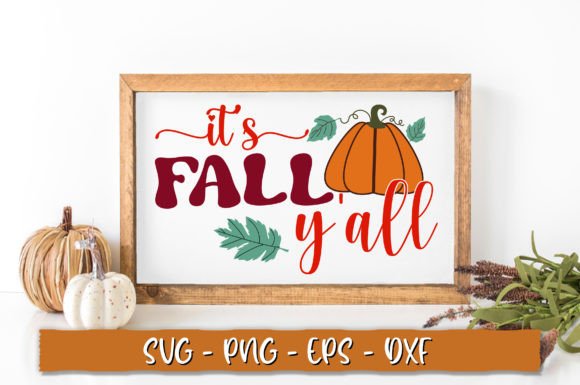
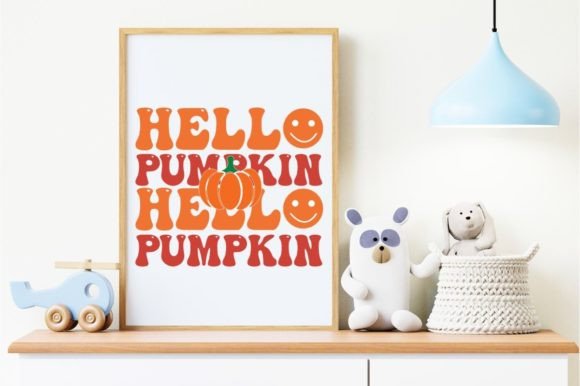
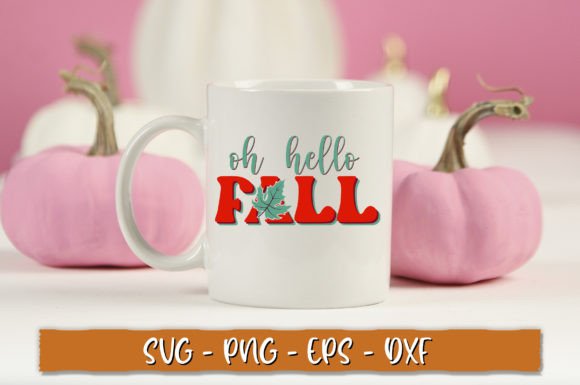
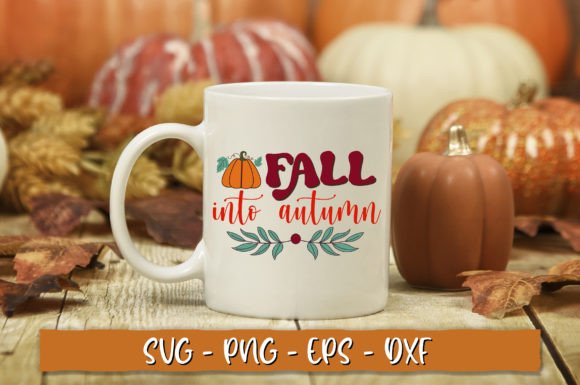
The title Fall into Autumn SVG, Retro Fall tells you exactly what to expect, and the design delivers on that promise. The aesthetic leans heavily into vintage warmth. It doesn’t try to be modern minimalist, nor does it go overboard with cluttered fall motifs. Instead, it strikes a balance that feels nostalgic but fresh. The shapes are bold, which is a huge green flag for machine embroidery. In my experience, designs with thin, intricate lines often break threads or get lost in fabric texture. This design relies on strong silhouettes and clear negative space, making it forgiving for both beginners and seasoned pros.
The retro color palette implied by the name suggests warm oranges, deep reds, and muted yellows. These are classic autumn tones that resonate emotionally with buyers. Whether you are creating a personalized gift for a neighbor or stocking shelves for your own boutique, this mood fits seamlessly into the October-November sales cycle. It feels cozy. It feels intentional. That is hard to achieve with generic holiday designs.
Real-World Application: Where This Design Shines
I recently tested this concept on a few different substrates to see where it truly excels. If you are an Etsy seller or run a small shop, you know that versatility is key. One design should ideally work for five different products to maximize your ROI on the initial purchase.
- Tote Bags: This is perhaps the strongest use case. A canvas tote bag provides a flat, stable surface that allows the design to breathe. The retro style pairs perfectly with natural linen or heavy cotton blends. It looks like a high-end boutique item rather than a craft fair impulse buy.
- Sweatshirt Embroidery: Heavyweight fleece or cotton sweatshirts are staples in the fall season. This design holds up well against the thickness of the fabric. Because it isn’t overly dense, it won’t weigh down the garment or cause pilling after washing. It adds a touch of class to a casual staple.
- Kitchen Towels and Aprons: For the home decor crowd, this design translates beautifully to tea towels or flour sack aprons. The machine embroidery design aspect ensures that the stitching is durable enough for frequent laundering, which is crucial for kitchen items.
- Baby Embroidery: While the retro vibe is adult-friendly, the softness of the theme makes it suitable for baby onesies or nursery decor. Just ensure you scale it appropriately so it doesn’t overwhelm a tiny chest area.
When you think about commercial embroidery projects, this design has that "giftability" factor. It’s neutral enough to be gender-neutral yet seasonal enough to feel timely. It works as a wedding gift for a couple moving into a new home in the fall, or as a corporate swag item for a local business event.
Technical Considerations and Potential Pitfalls
No design is perfect, and being honest about limitations is part of being a professional reviewer. While Fall into Autumn SVG, Retro Fall is robust, there are specific scenarios where you need to exercise caution.
Hoop Size and Detail: Always check the recommended hoop size. If you attempt to digitize or use this design in a very small hoop (like 4x4 inches), some of the finer details might become muddy. The eye needs room to distinguish between the different elements of the retro pattern. If the design includes any text, ensure the font weight is sufficient; tiny letters can unravel quickly on stretchy fabrics.
Fabric Texture: This design looks best on smooth-to-medium textures. If you are working with highly textured fabrics like chunky knits or bouclé, the stitch density might get lost. Similarly, on very thin fabrics, you must use a proper stabilizer. Without adequate backing, the pull of the stitches could distort the garment, ruining the clean lines of the retro shape.
Thread Color Contrast: The success of this design hinges on contrast. On dark fabrics, you’ll need bright, saturated threads to make the retro colors pop. On light fabrics, darker threads provide definition. Avoid using low-contrast combinations (like beige thread on cream fabric) unless you are going for a very subtle, tonal look, which requires advanced technique.
Stitch Types and Execution
Depending on the specific digitization, this design likely utilizes a mix of satin stitch for outlines and fill stitch for the main bodies. Satin stitches give that crisp, professional edge that defines the retro aesthetic. However, satin stitches can be prone to bird nesting if the tension isn’t calibrated correctly. Before running a production batch, always do a test stitch on scrap fabric of the same type and weight you plan to use.
If the design incorporates running stitch for decorative accents, ensure that the spacing is wide enough to prevent thread tangling. Dense areas should be reviewed for underlay stability. Poor underlay can cause the fabric to pucker, which kills the visual appeal of any embroidery project.
Practical Advice for Makers and Sellers
If you are planning to use this digital embroidery file for resale, here are a few non-negotiable steps:
- Test Run: Never skip the test run. Stitch the design out on your actual product material. Check for thread breaks, tension issues, and alignment.
- Black and White Mockup: Convert your design to black and white in your editing software. This helps you evaluate the composition and balance without the distraction of color. Does the layout feel balanced? Are there large empty spaces that look unintentional?
- Licensing Check: This is critical. Verify the license terms included with your download. Can you sell finished products? Can you sell digital mockups? Most commercial licenses allow for physical sales of a limited number of items, but reselling the digital file itself is almost always prohibited. Protect your reputation by sticking to the rules.
- Product Photography: When you create printable mockups or photos for your shop, focus on lifestyle shots. Show the tote bag filled with books, the sweatshirt worn on a crisp day, or the towel hanging in a rustic kitchen. Help the buyer visualize the finished product in their life.
Final Verdict
Fall into Autumn SVG, Retro Fall is a solid addition to any designer’s asset library. It captures the essence of the season without feeling cliché. Its strength lies in its versatility and its ability to elevate simple garments into curated fashion pieces. For the small shop product creator, it offers a reliable way to capitalize on the fall market with minimal risk.
It is not a magic bullet—it still requires good technique, proper materials, and thoughtful presentation. But as a foundation for your next embroidery project, it checks all the boxes: visually appealing, technically sound, and commercially viable. If you are looking to refresh your inventory with something that feels both timeless and trendy, this design is worth the investment. Just remember to stabilize your fabric, choose your threads wisely, and let the quality of your stitching speak for itself.