Mama Claus Retro Christmas SVG Design
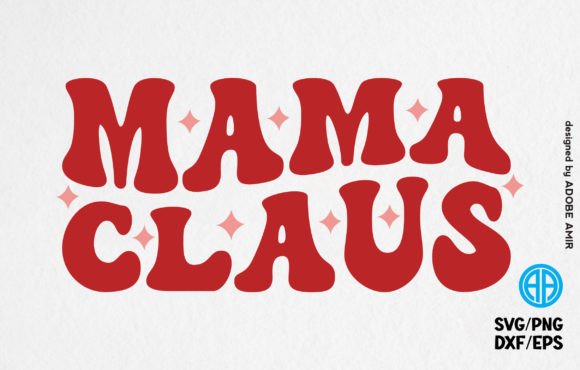
As a designer who spends more time staring at stitch density charts and fabric swatches than actually drinking coffee, I approach every new digital asset with a mix of skepticism and curiosity. The market is flooded with holiday graphics, but few manage to strike that delicate balance between nostalgic charm and technical viability for embroidery. When I first pulled up the Mama Claus Retro Christmas SVG Design, my initial reaction was one of genuine appreciation for its visual personality. It doesn’t just look like a clipart image; it feels like a finished piece of art waiting to be translated into thread.
The retro aesthetic is currently dominating the handmade market, particularly among Etsy sellers and boutique owners looking to differentiate their holiday collections. This design captures that vibe perfectly without leaning into the kitschy territory that often alienates discerning buyers. The mood is warm, inviting, and distinctly festive, yet it retains a sophistication that allows it to work well on higher-end custom apparel rather than just discount craft fair items. For those of us in the Crafts and Graphics sectors, understanding this nuance is critical because it dictates how the final embroidery project will be perceived by the end consumer.
First Impressions and Visual Personality
What immediately stands out about the Mama Claus Retro Christmas SVG Design is its layout and negative space. In machine embroidery, negative space is just as important as the stitched areas because it dictates where the eye rests. The composition feels balanced, avoiding the cluttered look that can plague complex holiday scenes. The character’s expression and posture suggest a relaxed, confident energy—perfect for a "cool grandma" or "modern Santa" theme that resonates with contemporary families.
From a purely aesthetic standpoint, this design screams holiday embroidery. It has that instant recognition factor that drives impulse buys. However, beauty alone does not make a successful embroidered product. The true test lies in how these vector lines translate to physical stitches. The shapes appear clean and distinct, which is a promising sign for maintaining clarity during the digitizing process. It suggests a design that will hold up well against the rigors of real-world use, whether it ends up on a durable canvas tote or a soft cotton baby onesie.
Real-World Application: Where This Design Shines
I have been thinking through various scenarios where this machine embroidery design could thrive. My primary mental mockup involves a high-quality canvas tote bag. The retro style pairs exceptionally well with natural fabrics, creating a chic, sustainable-looking accessory that appeals to the modern shopper. Imagine this on a cream-colored canvas bag with contrasting thread colors—it would look professional and polished, fitting seamlessly into a boutique’s holiday display.
Beyond accessories, this design is versatile enough for sweatshirt embroidery. The chunky, bold nature of retro graphics often translates beautifully to heavier fabrics like fleece or French terry. It adds a layer of texture and depth that flat prints cannot replicate. For small shop products, offering this as a customizable option—perhaps allowing customers to choose the thread color palette—can significantly boost engagement. It transforms a generic item into a personalized gift that feels bespoke.
I also see strong potential in nursery decor and baby items. The softer, rounded edges typical of retro illustrations are gentle and appealing for baby embroidery. A onesie or a burp cloth featuring this design could become a cherished family heirloom. Furthermore, for commercial embroidery businesses, this design offers a low-risk, high-reward option for seasonal inventory. It is broad enough in appeal to attract a wide demographic while being specific enough in theme to capitalize on Christmas sales spikes.
Technical Considerations and Potential Pitfalls
While the artistic merit is clear, a seasoned reviewer must address the technical realities. Not every surface is created equal, and the Mama Claus Retro Christmas SVG Design requires careful consideration regarding placement and material choice. For instance, applying this to a curved surface like a baseball cap demands precision. If the digitizing does not account for the curvature, the central figure might distort, losing its intended charm. Similarly, textured fabrics like heavy wool or boucle can obscure fine details, so testing on scrap fabric is non-negotiable.
One area requiring caution is the handling of small details. While the overall shape is robust, any tiny decorative accents or intricate lettering within the design must be scrutinized. On dark fabric, light-colored threads might get lost if the stitch count is too low, whereas on thin fabrics, dense stitching can cause puckering. This is why checking the stitch density and ensuring proper stabilizer usage is vital. If the design includes satin stitch elements around the edges, they need to be tight enough to prevent fraying but loose enough to lay flat.
Additionally, consider the washing durability. If this design is used on custom apparel intended for frequent laundering, such as kitchen towels or aprons, the thread quality and backing stability become paramount. A poorly executed underlay can lead to unraveling over time, damaging the reputation of the maker. Therefore, inspecting the embroidery file for redundant jumps and optimizing the pathing can extend the life of the finished product.
Practical Designer Notes for Implementation
- Test on Scrap Fabric: Always run a test stitch before committing to your final material. This helps you gauge how the thread colors interact with the specific weave and hue of your chosen fabric.
- Check Contrast Levels: View your design in black and white mockups to ensure sufficient contrast between different stitched areas. This prevents muddy visuals in the final output.
- Hoop Size Verification: Confirm that the hoop size required for this design fits comfortably within the dimensions of your product. A design that is too large for a standard 5x7 hoop may require multi-hooping, which increases production time and risk of misalignment.
- Licensing Clarity: Before listing this as a digital product or selling finished goods, verify the commercial license terms. Ensure you are permitted to sell the physical items derived from this design, especially if you are an Etsy seller or running a craft business.
- Stabilizer Selection: Match the stabilizer to the fabric weight. Cut-away stabilizers are generally safer for stretchy knits or garments that will undergo stress, while tear-away might suffice for stable wovens like tea towels.
In conclusion, the Mama Claus Retro Christmas SVG Design is a strong contender for anyone looking to add a touch of vintage flair to their holiday offerings. Its visual appeal is undeniable, and its versatility spans across multiple categories of handmade products. By paying close attention to technical execution—from thread selection to stabilizer choice—you can transform this digital asset into a tangible success. It is not just a graphic; it is a foundation for creating memorable, high-quality gifts that customers will appreciate long after the season ends. For designers willing to put in the due diligence, this design offers a rewarding blend of aesthetic charm and commercial potential.