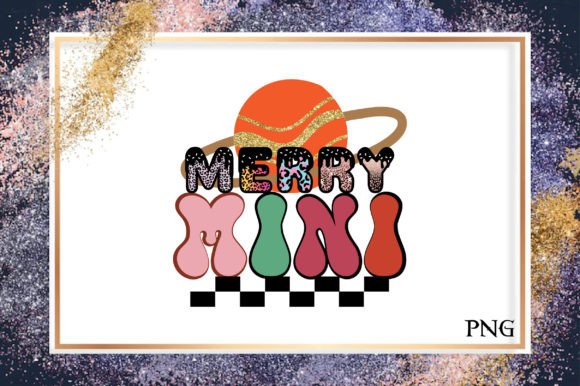
Merry Mini Retro Christmas SVG Review
As a designer who spends half my life staring at stitch patterns and the other half worrying about whether a client’s budget can support a complex applique, I don’t just look at digital files—I look at potential finished products. When I first pulled up Merry Mini Retro Christmas SVG, I didn’t just see a graphic; I saw a tote bag waiting to happen. It is easy to get lost in the noise of thousands of holiday designs flooding marketplaces like Etsy, but few capture that specific blend of nostalgia and simplicity that actually sells well in the real world.
This review isn’t about pixel counts or theoretical aesthetics. It is about how this design behaves when it hits the hoop, how it translates from a flat PNG into a tactile handmade product, and whether it has the staying power to be a reliable asset for your craft business. Here is my practical breakdown of using this design for real projects.
The First Impression: Mood and Visual Personality
The moment you open the file, the retro vibe is unmistakable. In a sea of hyper-realistic, glittery, or overly complex Christmas graphics, this design stands out because it knows what it is. It feels cozy, approachable, and timeless. The "mini" aspect suggests scale, which is crucial for embroidery. Large, sprawling designs often overwhelm small garments or accessories, whereas this compact layout offers balance.
For an embroidery designer, the visual personality here is gold. It leans into the "cottagecore" or "modern rustic" trends that are dominating home decor and apparel right now. It doesn’t scream for attention; it whispers comfort. This makes it incredibly versatile. It works equally well on a baby’s onesie as it does on a boutique apron. The transparent background provided in the 300 dpi PNG ensures that when you digitize or prepare this for sublimation, you aren’t fighting against white boxes or awkward crop lines. It sits cleanly on whatever canvas you choose.
Real-World Application: From Screen to Stitch
Let’s talk about where this design actually lives. If I were preparing inventory for the upcoming holiday season, I wouldn’t just put this on a t-shirt. I would think about texture and utility. Imagine this design embroidered on a heavy-duty canvas tote bag. The retro aesthetic pairs beautifully with natural fabrics, creating a product that feels curated rather than mass-produced.
I also see this performing exceptionally well as a personalized gift item. Think of a monogrammed kitchen towel or a soft flannel pillow cover. The design’s simplicity allows it to shine without getting lost in the weave of thicker fabrics. For Etsy sellers looking to expand their small shop product line, this is a low-risk, high-reward addition. It appeals to buyers who want something festive but not tacky.
Furthermore, consider its application in commercial embroidery settings. If you run a corporate gifting service or a local custom hat shop, this design offers a level of professionalism that doesn’t require a massive hoop size. It fits neatly into standard 4x4 or 5x7 hoops, making it accessible for machines with smaller work areas. It transforms a basic cap or a simple sweatshirt into a statement piece of custom apparel without needing hours of stitching time.
Where to Exercise Caution
No design is perfect for every surface, and being honest about limitations builds trust with your customers. While Merry Mini Retro Christmas SVG is charming, there are specific scenarios where you need to adjust your approach.
- Small Hoop Sizes: Because the design relies on clear shapes, cramming it into a tiny hoop might compress the details. Ensure your digitizing software respects the proportions so the "retro" feel isn’t distorted by tight cropping.
- Textured Fabrics: Avoid placing this on heavily textured materials like bouclé or thick chenille unless you are using a stabilizer that flattens the pile. The clean lines of the graphic will get lost in the fabric chaos.
- Stretchy or Thin Fabrics: If you are working with thin jersey or stretchy knit fabrics, the density of the stitches needs to be managed carefully. Too much tension can pucker the fabric, ruining the clean look of the design. Always use a cut-away stabilizer for these delicate applications.
- Dense Stitch Areas: If the digitized version includes heavy fill stitches, test it on scrap fabric first. Dense areas can become stiff and uncomfortable, especially on items like baby clothes or face-hugging beanies.
Also, be mindful of curved surfaces like caps. While the design is small enough to fit, ensure the curvature of the brim doesn’t distort the perspective. A slight adjustment in placement might be necessary to keep the image upright and true.
Impact on Product Value and Brand Consistency
Using a cohesive, well-executed design like this elevates your brand. When a customer receives a finished product that looks intentional and polished, they are more likely to leave a positive review and return for future purchases. This design supports brand consistency because its retro theme is broad enough to fit various color palettes—think mustard yellows, forest greens, and deep reds.
It also enhances buyer engagement. In a crowded online marketplace, visual clarity wins. Customers can instantly understand what they are getting. There is no ambiguity. This clarity reduces hesitation and increases conversion rates. For digital product sellers offering printable mockups, this design provides a strong focal point that showcases the quality of your digital assets effectively.
Practical Designer Notes for Success
Before you commit to a full production run, follow these steps to ensure your embroidery project succeeds:
- Test on Scrap Fabric: Never skip this step. See how the threads interact with your specific fabric choice. Does the thread sheen complement the matte finish of the cloth?
- Check Thread Color Contrast: Retro designs often rely on specific color blocking. Ensure your thread choices provide enough contrast against the fabric. Light threads on light fabric can disappear; dark threads on dark fabric can look muddy.
- Review Stitch Density: High density adds durability but reduces flexibility. For items that need to drape softly, such as scarves or lightweight shirts, opt for a lighter stitch density if your digitizing software allows.
- Inspect Small Details: Zoom in on your screen, then zoom in on your hooped sample. Are the tiny elements legible? If they are too fine, they may fray or break after washing.
- Use Proper Stabilizer: The foundation is everything. A good stabilizer prevents puckering and keeps the design crisp. Match the stabilizer weight to the fabric weight.
- Confirm Licensing: Before selling any handmade product or digital listing, double-check the license terms. Ensure you have commercial rights for the volume of sales you plan to make.
In conclusion, Merry Mini Retro Christmas SVG is more than just a clip art file; it is a strategic tool for designers and entrepreneurs. It balances aesthetic appeal with practical usability, making it a smart choice for anyone looking to add a touch of vintage charm to their holiday offerings. Whether you are creating a single personalized gift for a friend or building a catalog of design assets for your online store, this design delivers professional results with minimal fuss.