Retro Halloween SVG Review
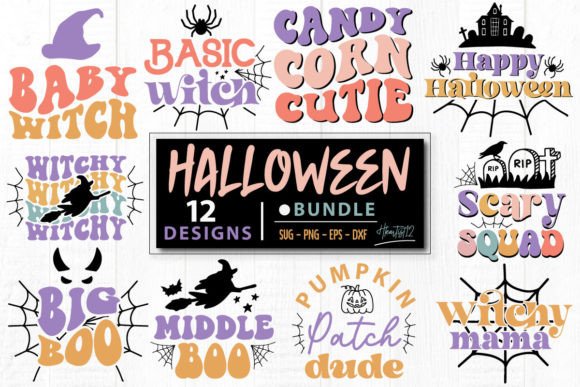
As a designer who spends half my life staring at stitch lines and the other half trying to convince clients that embroidery is worth the premium price tag, I don’t just look at a file and see pixels. I see tension, I see potential puckering, and I see the final product sitting on a shelf next to mass-produced junk. When Retro Halloween SVG - Sublimation PNG landed in my inbox, I didn’t immediately think about the cute aesthetic. I thought about how it would hold up in a 4x4 hoop on a cotton canvas tote versus a polyester blend sweatshirt. This review breaks down exactly where this design shines, where it might trip you up, and whether it belongs in your commercial collection or just your personal scrapbook.
The First Impression: Mood and Visual Personality
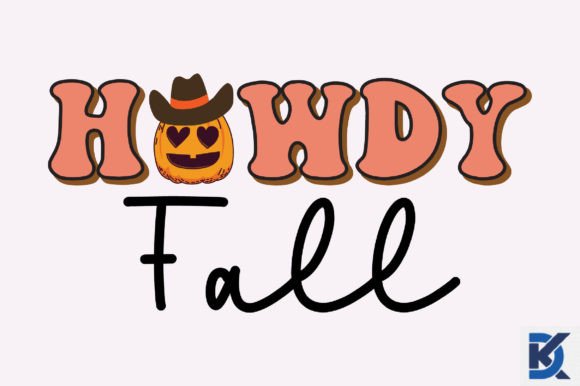
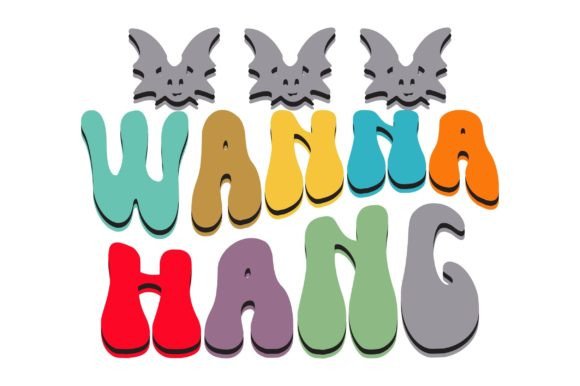
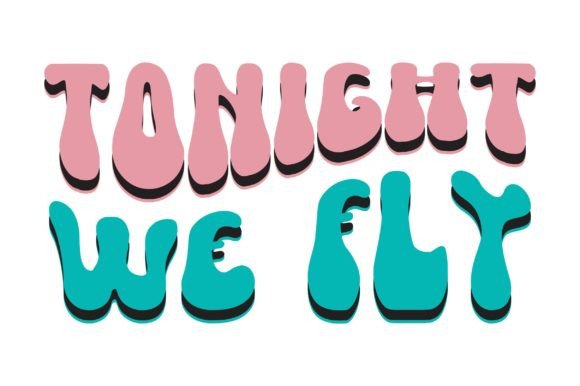
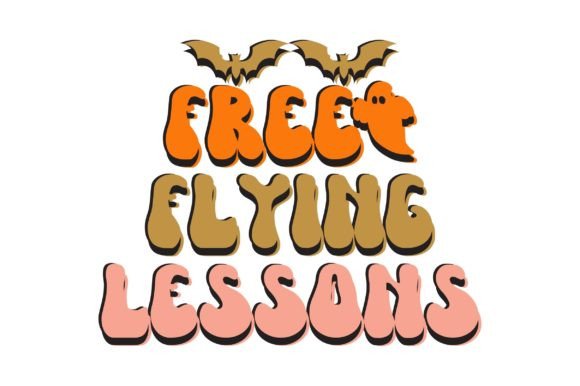
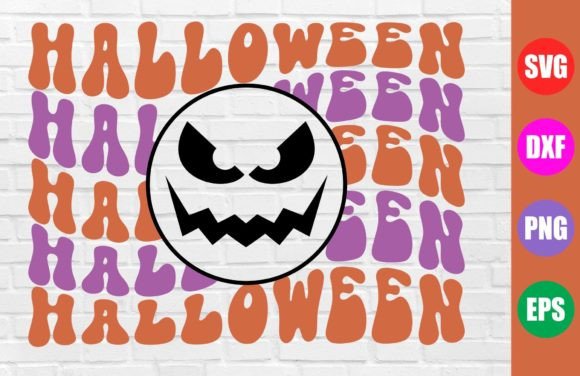
The moment you open the file, the retro vibe hits hard. We are talking vintage typography, slightly warped shapes, and that specific nostalgic color palette that screams "1970s Halloween party." It isn’t trying to be scary; it’s trying to be cool. For an embroidery project, this distinction is crucial. Scary designs often rely on sharp angles and complex shading that can turn into muddy blobs if your digitizing isn’t perfect. This design, however, relies on bold silhouettes and clean negative space. That makes it incredibly forgiving for both beginner machine operators and seasoned pros looking for a quick, high-impact finish.
The visual personality here is playful but grounded. It feels like something you’d wear to a craft fair, not something you’d wear to a haunted house. This matters because it broadens your market. You aren’t just selling to people who love horror; you’re selling to anyone who loves autumn, cozy vibes, and vintage aesthetics. For an Etsy seller or a small shop product owner, this versatility is gold. It fits seamlessly into a broader fall collection alongside pumpkins, leaves, and coffee mugs without feeling out of place.
Real-World Application: Where This Design Shines
I took Retro Halloween SVG - Sublimation PNG through its paces with a few different fabric types to see how it translates from screen to thread. The first test was a classic canvas tote bag design. Because the design has strong central elements, it sat beautifully in the middle of the bag. The contrast between the dark thread and the natural canvas made the retro details pop. Customers love tactile items, and a sturdy tote with this kind of bold, cheerful graphic feels like a quality purchase. It suggests durability, which builds trust with buyers who are tired of flimsy handmade goods.
Next, I moved to apparel. Specifically, a heavy cotton sweatshirt embroidery project. Retro themes work exceptionally well on fleece and french terry because the texture of the fabric complements the vintage feel of the design. The slight fuzziness of the material softens any harsh edges in the digitizing, giving it a worn-in, authentic look right off the machine. However, pay attention to the stitch density. If you are using a dense fill stitch for the background, make sure your sweatshirt has enough body to support it, or you risk the garment becoming stiff and uncomfortable. A lighter stitch count or a combination of satin and running stitches often looks more professional on knit fabrics.
I also experimented with baby clothes. While the theme is Halloween, the retro style is soft enough for a onesie or a burp cloth. Parents are increasingly looking for non-cliché holiday items for their little ones. A subtle, stylish retro graphic on a white organic cotton tee feels modern and safe. It’s a great way to introduce seasonal items to a nursery without overwhelming the space. Just ensure the thread colors are muted enough to not clash with pastel baby palettes.
Critical Considerations and Potential Pitfalls
No design is perfect, and knowing where Retro Halloween SVG - Sublimation PNG struggles is just as important as knowing where it succeeds. The primary concern lies in small detail execution. If you attempt to digitize tiny text or intricate corner details within a very small hoop size, you may lose clarity. Satin stitches on small curves can sometimes break or look jagged if the underlay isn’t precise. Always inspect these small details closely before committing to a full production run.
Fabric choice is another major factor. Avoid using this design on highly textured fabrics like chunky waffle knits or loose-weave burlap unless you have extensive experience stabilizing such materials. The needle penetration required for a solid fill stitch can distort these fabrics, leading to a misshapen final product. Similarly, stretchy fabrics like thin spandex blends require a strong tear-away or cut-away stabilizer to prevent the design from warping as the fabric stretches during wear. Without proper stabilization, even the best embroidery file will look amateurish.
Color contrast cannot be ignored. The retro palette relies on specific tonal relationships. If you swap out the recommended thread colors for cheap, low-quality threads, the vibrancy will suffer. Dark fabrics require a dense underlay to prevent the base fabric from showing through, which adds bulk. If you are designing for a commercial embroidery business, calculate your time carefully. Dense fills take longer to stitch, which impacts your hourly rate. Sometimes, simplifying the design by removing unnecessary fill areas can save minutes per unit without sacrificing visual impact.
Practical Designer Notes for Production
Before you upload this to your machine, there are a few technical checks every professional should perform. First, always test on scrap fabric. Your home machine might behave differently than your industrial multi-head embroiderer. Check the thread colors against your actual inventory. Screen colors are notoriously inaccurate; what looks like a deep orange online might be more yellow in person. Adjust your digitizing or thread selection accordingly.
Review the stitch density in your software. If the design looks too heavy, consider switching some fill areas to a lighter pattern or reducing the stitch length slightly. Confirm your hoop size matches the design dimensions. Trying to force a large design into a small hoop will result in clipping and frustration. Also, inspect the design in black and white mockups. This helps you see if the composition holds up when color is removed, ensuring the shape itself is strong.
Finally, check the licensing. While this is sold as a digital asset, the terms of use vary. Are you allowed to sell finished physical products? Can you include this in a digital bundle? As a craft business owner, protecting yourself legally is part of the job. If the license is unclear, reach out to the creator. Transparency builds professionalism.
Final Verdict
Retro Halloween SVG - Sublimation PNG is a versatile, mood-driven asset that brings a touch of vintage charm to modern handmade products. It works best on stable fabrics like cotton, denim, and canvas, where its bold lines and nostalgic appeal can truly shine. It is ideal for personalized gifts, boutique branding, and seasonal collections aimed at customers who appreciate style over shock value. By paying attention to stitch density, fabric choice, and proper stabilization, you can transform this simple graphic into a high-value finished product that stands out in a crowded marketplace. It’s not just a decoration; it’s a statement piece that respects the craft of embroidery while embracing the fun of the season.