Winter Wonderland Retro Christmas Svg Review
As a designer who spends half her life staring at stitch density charts and the other half trying to make handmade goods look professional on Etsy, I approach every new digital asset with a mix of optimism and skepticism. We have all been burned by "cute" designs that turn into a tangled mess of thread when pushed through a hoop. That is why I decided to put Winter Wonderland Retro Christmas Svg to the test before recommending it for your next holiday rush. This isn't just about whether the vector looks good on a screen; it is about how it translates into a tangible, wearable, or usable object that a customer will actually love.
The First Impression: Mood and Visual Personality
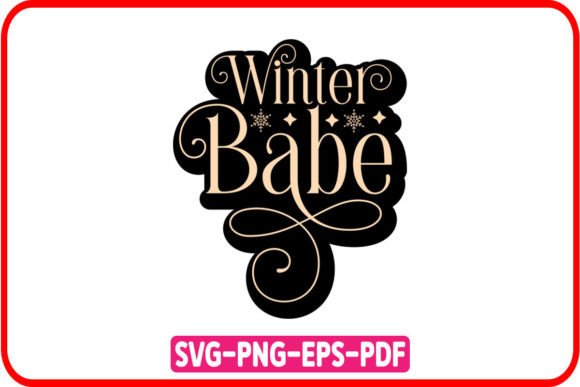
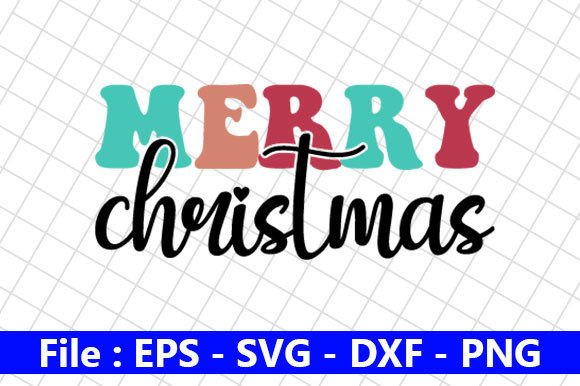
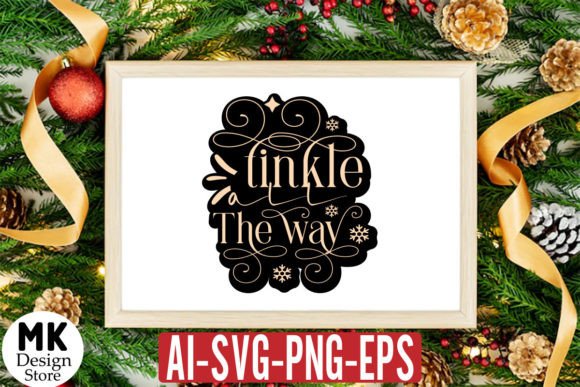
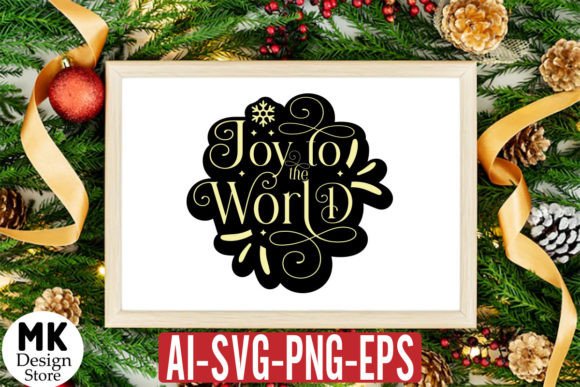
When you first load Winter Wonderland Retro Christmas Svg into your design software, the immediate takeaway is nostalgia. The retro aesthetic is not overpowering; instead, it feels curated and timeless. It avoids the cluttered, chaotic energy of some modern holiday graphics, opting for a cleaner layout that relies on strong shapes and classic color palettes. For an embroidery designer, this clarity is gold. Complex, busy backgrounds often result in muddy stitching where individual elements blend together. This design, however, has breathing room.
The visual personality suggests warmth and tradition. It feels like something you would find in a vintage department store catalog from the 1970s. This mood makes it incredibly versatile. It does not scream for attention but rather invites the viewer in. For small business owners and crafters, this is a crucial distinction. Designs that are too loud can feel cheap, while those with understated charm often command higher perceived value. This SVG strikes that balance perfectly, making it suitable for everything from high-end boutique apparel to casual family matching outfits.
Real-World Application: From Screen to Stitch
I wanted to see how this design would perform in a real-world scenario, so I imagined applying it to a few different product categories. Let’s start with custom apparel. When digitizing or preparing this file for machine embroidery, the clean lines of the retro style translate beautifully onto fabric. Whether you are working on a thick cotton sweatshirt or a softer jersey t-shirt, the design holds its shape well. The lack of overly intricate micro-details means that even if your tension settings are slightly off, the overall image remains recognizable and crisp.
Consider the market for personalized gifts. A common request during the holiday season is for matching pajamas or robes for families. Winter Wonderland Retro Christmas Svg fits this niche effortlessly. On a baby onesie or a toddler’s sweater, the simplicity ensures that the design doesn’t overwhelm the garment. It adds a festive touch without looking costumey. Similarly, for tote bag design projects, this graphic works as a central focal point. The retro vibe pairs exceptionally well with canvas materials, creating that popular "handmade chic" look that performs so well on platforms like Etsy.
I also considered its application on home decor items. Embroidered patches for denim jackets or aprons are huge sellers right now. The bold outlines typical of retro designs cut out cleanly as patches, providing a sturdy border that prevents fraying. If you are selling embroidered patch products, this design offers a high-contrast look that stands out against dark fabrics like navy, black, or charcoal grey. It also works surprisingly well on light-colored kitchen towels or pillow covers, adding a cozy, seasonal accent to a living space.
Performance on Specific Fabrics and Surfaces
Not all surfaces are created equal, and understanding where this design thrives is key to avoiding production headaches. On stable woven fabrics like cotton twill or denim, the design performs flawlessly. The stitches lay flat, and the retro color blocks (if using multiple threads) separate clearly. However, caution is advised with textured fabrics. While a chunky knit might seem like a good match for a winter theme, the uneven surface can distort the fine details of the SVG, leading to a less polished final product.
Stretchy fabrics present another variable. If you are embroidering on thin polyester blends or spandex-heavy materials, you must use a high-quality stabilizer. Without proper support, the inherent pull of the embroidery thread can cause the fabric to pucker, ruining the clean lines of the retro aesthetic. In these cases, the design’s moderate detail level helps, as there are fewer tiny elements to get lost in the distortion. For curved surfaces like caps or hats, the design’s symmetry and balanced composition allow it to conform to the curve without losing its identity, provided it is centered correctly on the crown.
Practical Designer Notes for Production
If you are planning to use this embroidery file for commercial purposes, there are several technical checks you should run before committing to bulk production. First and foremost, always test the design on scrap fabric that matches the weight and texture of your final product. This is non-negotiable. You need to verify that the stitch density is appropriate for the material. Too dense, and you risk breaking needles or causing puckering; too sparse, and the fabric shows through.
Thread color selection is equally important. The retro style relies heavily on contrast. When choosing your thread colors, ensure they pop against your background fabric. A common mistake is using muted tones that blend into the cloth, especially on heathered or textured fabrics. I recommend testing your chosen palette in a black-and-white mockup within your digitizing software. This removes color bias and helps you judge the contrast of the shapes accurately.
Also, inspect the smaller details of the design closely. While the overall look is clean, zoom in to ensure there are no tiny, isolated elements that might be difficult to stitch consistently. If the design includes text, check the kerning and legibility at the intended size. Tiny lettering can become illegible once stitched, especially if the font is stylized. Confirm that the hoop size required for the design fits comfortably within the dimensions of your target product. A design that requires a large hoop may not fit on a standard cap front or a child’s sleeve.
Commercial Viability and Customer Appeal
From a business perspective, Winter Wonderland Retro Christmas Svg offers strong potential for craft business owners. The retro trend is enduring, and holiday-themed items have a predictable demand spike each year. Because the design is versatile, you can create a cohesive collection. Imagine a line that includes matching family sweatshirts, a set of embroidered tea towels, and a few decorative pillows. Consistency in branding builds trust with customers, and a unified aesthetic makes your shop look more professional.
This design also appeals to buyers looking for personalized gift options. Its classic style feels personal and thoughtful, rather than mass-produced. Customers are often willing to pay a premium for items that feel unique and carefully made. By offering this design on high-quality substrates—such as organic cotton tees or durable canvas totes—you enhance the perceived value of the finished product. It transforms a simple graphic into a keepsake item.
However, remember to check your licensing terms. Even if the SVG is purchased for personal use, commercial rights vary. Ensure you have the correct license to sell physical items made with this design, especially if you are listing them on marketplaces like Etsy or Amazon Handmade. Proper licensing protects your reputation and keeps your business compliant.
Final Thoughts on Design Assets
In conclusion, Winter Wonderland Retro Christmas Svg is a solid addition to any designer’s library. It balances aesthetic appeal with practical stitchability. It avoids the pitfalls of over-complication while delivering a strong visual impact. For those looking to capitalize on the holiday season with reliable, attractive products, this design provides a dependable foundation. Just remember to prep your fabrics, choose your threads wisely, and always test before you produce. When executed with care, it becomes more than just a graphic—it becomes a cherished part of someone’s holiday tradition.